This article first appeared on GuruFocus.
Toyota Motor Corp. (NYSE:TM) is starting to show early signs of strain as February data points to softening demand in key markets, particularly China, where competition in electric vehicles continues to intensify. The company reported a 2.3% year-over-year decline in global sales to 806,905 units, with Toyota and Lexus brand sales in China falling 13.9% and local production down 11.5%, partly reflecting the timing of the Lunar New Year holiday. While Toyota has so far held relatively steady through a broader slowdown in EV demand and ongoing tariff-related costs, the latest figures suggest underlying pressure could be building before the full effects of recent geopolitical developments are felt.
The broader industry backdrop appears similarly challenged. Honda Motor Co. (NYSE:HMC) reported a 6.6% drop in global sales for February to 249,414 units, including a 15.2% decline in China, while Nissan Motor Co. posted a 7.4% global sales decline, with a sharper 19.4% contraction in the Chinese market. These trends could indicate that legacy automakers are facing a more competitive and rapidly shifting demand environment in China, particularly as local EV players continue to scale. At the same time, supply-side risks are beginning to emerge, as the Middle East conflict that escalated on Feb. 28 starts to affect logistics, deliveries, and sourcing conditions.
Japanese automakers may be particularly exposed given that roughly 70% of their aluminum supply is sourced from the region, and disruptions to the Strait of Hormuz are forcing longer shipping routes via the Cape of Good Hope, potentially extending delivery times to around 100 days. Industry data shows that about 800,000 vehicles were exported from Japan to the Middle East in 2025, representing approximately 2.5 trillion in value, highlighting the scale of potential disruption. In response, Toyota and Nissan have signaled plans to reduce production in March, while Honda is increasing localized production in certain regions to offset export declines. Separately, Toyota's joint ventures in China are preparing to recall more than 560,000 SUVs as part of a wider global recall affecting about 1.23 million vehicles, which could add another layer of operational complexity at a time when demand visibility may already be weakening.
latest_posts
- 1
 Air superiority and long-range strikes: what China's war games say about how it might assault Taiwan
 - 2A trip to Colombia in my 20s turned into 8 years freelancing in South America. Here's what I'd do differently.
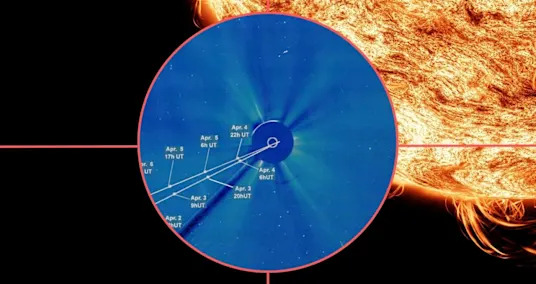
- 3Comet MAPS faces a make-or-break moment as it dives toward the sun on April 4 — could it shine in the daytime sky?
- 4Glen Powell will host 'Saturday Night Live' with Olivia Dean as musical guest: What to know ahead of their debut
- 5This St Nick Truly Can Advise How To Drink And Hack Your Headache




- Data centers in space: Will 2027 really be the year AI goes to orbit?
- Nutrient Rich Organic products: Lift Your Wellbeing
- 'Weezer: The Gathering' 2026 tour: How to get tickets, prices, dates and more
- Paraplegic engineer becomes the first wheelchair user to blast into space
- Overhaul Your Rest: Tips for a Serene Evening
- The ‘Stranger Things’ finale, explained: What happens to Vecna? And why was a key character’s fate left unknown?
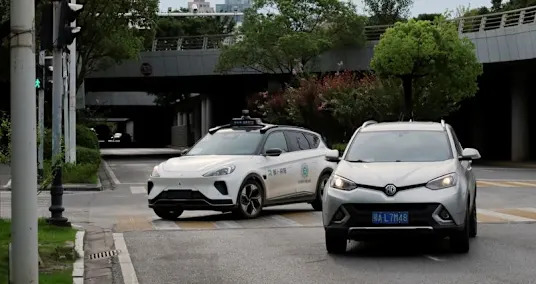
- Baidu robotaxi outage in Wuhan caused by 'system failure', police say
- November Lease Deals for the 2025 Kia EV6 are Too Good to Pass Up
- 'Inflaming tensions': Bedouin mayor slams Ben-Gvir's unauthorized visit after meeting cancellation